Revive Tradition: The Benefits of Stone-Ground Wheat Flour
In a world where convenience often trumps quality, the resurgence of stone-ground wheat flour is a refreshing reminder of the benefits of traditional food preparation methods. This ancient technique not only enhances the flavor and nutritional value of flour but also connects us to our culinary heritage. As more people seek healthier and more sustainable food options, stone-ground wheat flour is gaining popularity among home bakers and professional chefs alike.
What is Stone-Ground Wheat Flour?
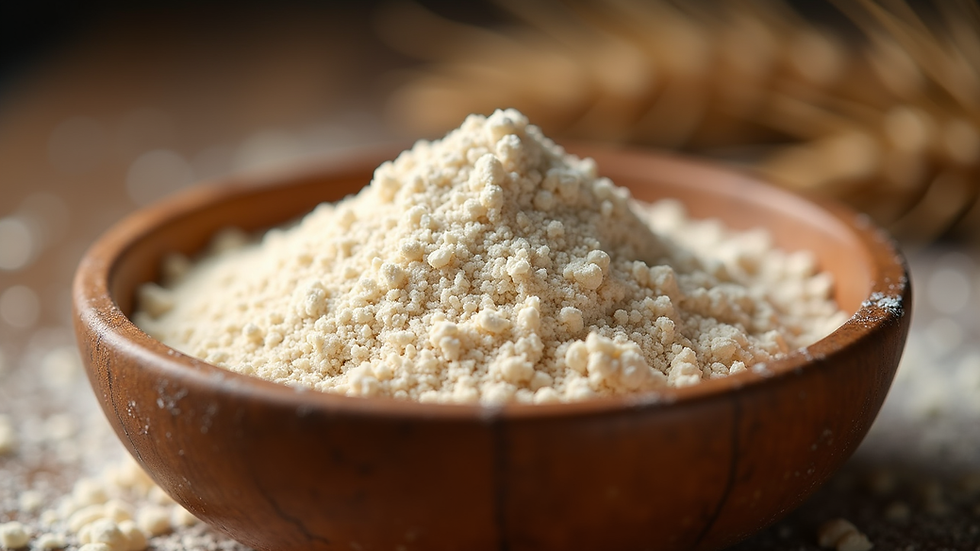
Stone-ground wheat flour is produced by grinding whole wheat grains between two large stones, a method that has been used for centuries. Unlike modern milling processes that often strip away the bran and germ, stone grinding retains the entire grain, preserving its natural nutrients and flavor. This results in a flour that is richer in vitamins, minerals, and fiber, making it a healthier choice for baking and cooking.
The Milling Process
The traditional stone milling process involves several steps:
Selection of Grains: High-quality, whole wheat grains are chosen for milling. These grains are often sourced from local farms, ensuring freshness and supporting local agriculture.
Cleaning: The grains are thoroughly cleaned to remove any impurities, such as dirt or small stones.
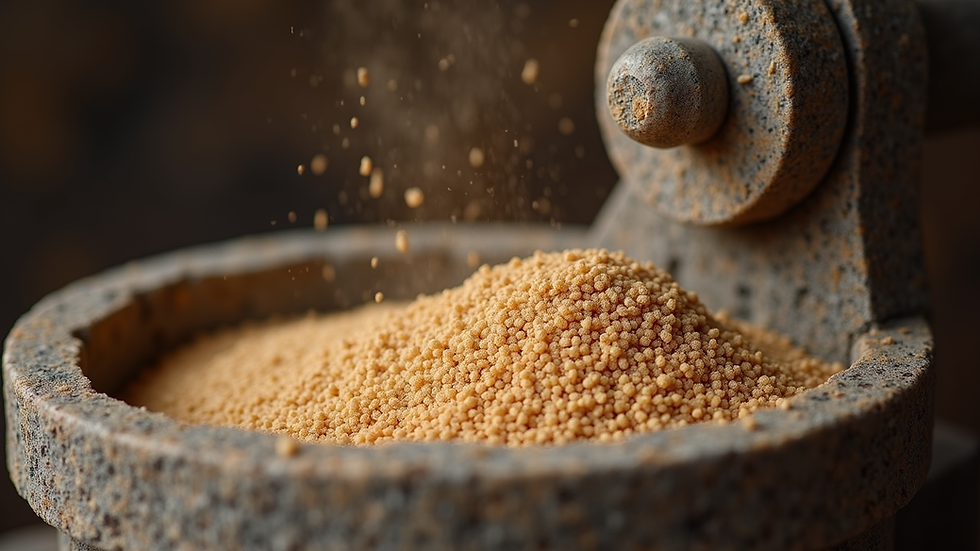
Grinding: The cleaned grains are then ground between two stones. This slow and gentle process helps to maintain the integrity of the grain, resulting in a coarser texture compared to commercially milled flour.
Sifting: After grinding, the flour may be sifted to achieve the desired consistency, although many prefer to use it in its whole form for added texture and nutrition.
Image Placeholder
Nutritional Advantages of Stone-Ground Wheat Flour
One of the most significant benefits of stone-ground wheat flour is its superior nutritional profile. Here are some key advantages:
Higher Fiber Content: Stone-ground flour retains the bran, which is rich in dietary fiber. This can aid digestion and promote a feeling of fullness, making it a great choice for those looking to manage their weight.
Rich in Vitamins and Minerals: The milling process preserves essential nutrients such as B vitamins, iron, magnesium, and zinc. These nutrients play vital roles in energy production, immune function, and overall health.
Lower Glycemic Index: Whole grains, including stone-ground flour, have a lower glycemic index compared to refined flours. This means they cause a slower rise in blood sugar levels, making them a better option for those managing diabetes or blood sugar levels.
Flavor Profile
Beyond its nutritional benefits, stone-ground wheat flour offers a unique flavor that enhances baked goods. The coarser texture and the presence of the bran and germ contribute to a nuttier, more robust taste. This makes it an excellent choice for:
Artisan Breads: The flavor complexity of stone-ground flour pairs beautifully with sourdough and other artisan bread recipes.
Pasta: Homemade pasta made with stone-ground flour has a delightful texture and flavor that elevates any dish.
Baked Goods: Cookies, muffins, and pancakes made with stone-ground flour have a heartier taste that many find appealing.
Environmental Impact
Choosing stone-ground wheat flour can also have a positive impact on the environment. Many producers of stone-ground flour prioritize sustainable farming practices, such as:
Crop Rotation: This practice helps maintain soil health and reduces the need for chemical fertilizers.
Local Sourcing: By sourcing grains locally, stone-ground flour producers reduce transportation emissions and support local economies.
Minimal Processing: The stone milling process is energy-efficient compared to industrial milling methods, which often require significant energy input.
How to Use Stone-Ground Wheat Flour
Incorporating stone-ground wheat flour into your cooking and baking is simple. Here are some practical tips:
Substitution: You can often substitute stone-ground flour for all-purpose flour in recipes. However, you may need to adjust the liquid content, as stone-ground flour absorbs more moisture.
Experiment with Ratios: Start by replacing a portion of all-purpose flour with stone-ground flour in your favorite recipes. Gradually increase the ratio as you become accustomed to the flavor and texture.
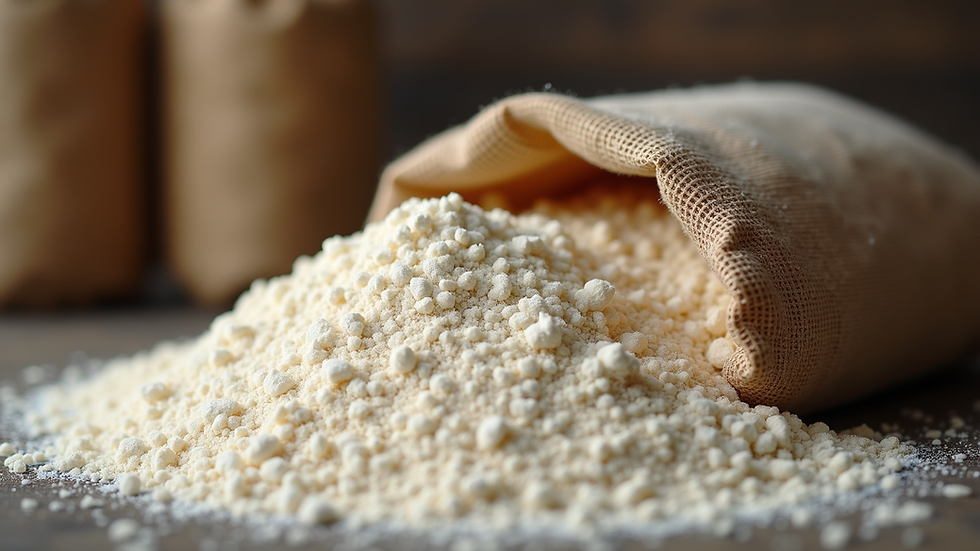
Storage: Store stone-ground flour in an airtight container in a cool, dark place to maintain its freshness. It has a shorter shelf life than refined flour due to its higher oil content.
Recipes to Try
Here are a few delicious recipes that highlight the unique qualities of stone-ground wheat flour:
Rustic Whole Wheat Bread
Ingredients:
3 cups stone-ground wheat flour
1 ½ cups warm water
2 teaspoons salt
1 packet active dry yeast
1 tablespoon honey
Instructions:
In a bowl, combine warm water, honey, and yeast. Let it sit for 5-10 minutes until frothy.
In a large mixing bowl, combine stone-ground flour and salt. Gradually add the yeast mixture, stirring until a dough forms.
Knead the dough for about 10 minutes until smooth. Place it in a greased bowl, cover, and let it rise for 1-2 hours.
Preheat the oven to 375°F (190°C). Shape the dough into a loaf and place it in a greased loaf pan. Let it rise for another 30 minutes.
Bake for 30-35 minutes or until golden brown. Allow to cool before slicing.
Whole Wheat Pancakes
Ingredients:
1 cup stone-ground wheat flour
1 tablespoon baking powder
1 tablespoon sugar
1 cup milk
1 egg
2 tablespoons melted butter
Instructions:
In a bowl, mix stone-ground flour, baking powder, and sugar.
In another bowl, whisk together milk, egg, and melted butter. Combine with dry ingredients until just mixed.
Heat a skillet over medium heat and pour batter to form pancakes. Cook until bubbles form, then flip and cook until golden brown.
Conclusion
Reviving the tradition of stone-ground wheat flour not only enhances our culinary experiences but also supports healthier eating habits and sustainable practices. By choosing stone-ground flour, you are investing in your health, the environment, and the preservation of traditional food methods. Whether you are a seasoned baker or just starting, incorporating stone-ground wheat flour into your kitchen can lead to delicious and nutritious results. So, why not give it a try? Your taste buds and body will thank you.

Comments