Rediscovering Traditional Stone Ground Flour Benefits
In a world increasingly dominated by fast food and processed ingredients, the humble stone ground flour is making a comeback. This traditional method of milling grain has been overshadowed by modern techniques, but it offers a wealth of benefits that are worth exploring. From superior flavor to enhanced nutritional value, stone ground flour is not just a nostalgic choice; it’s a smart one for anyone looking to improve their diet and cooking.

What is Stone Ground Flour?
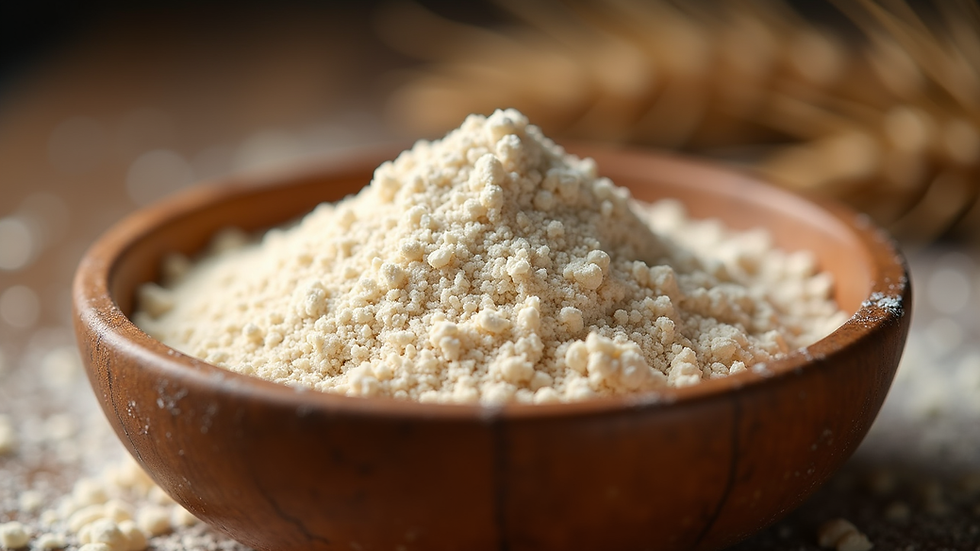
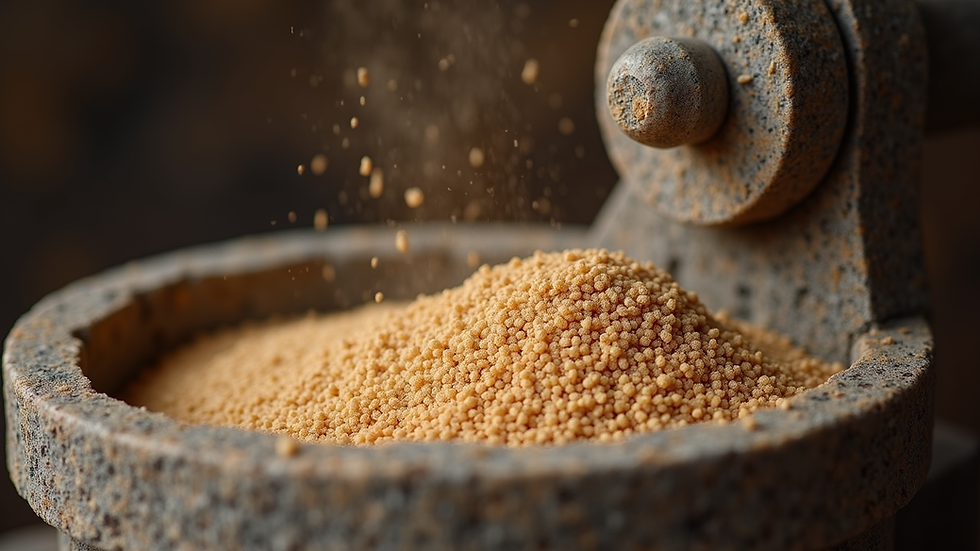
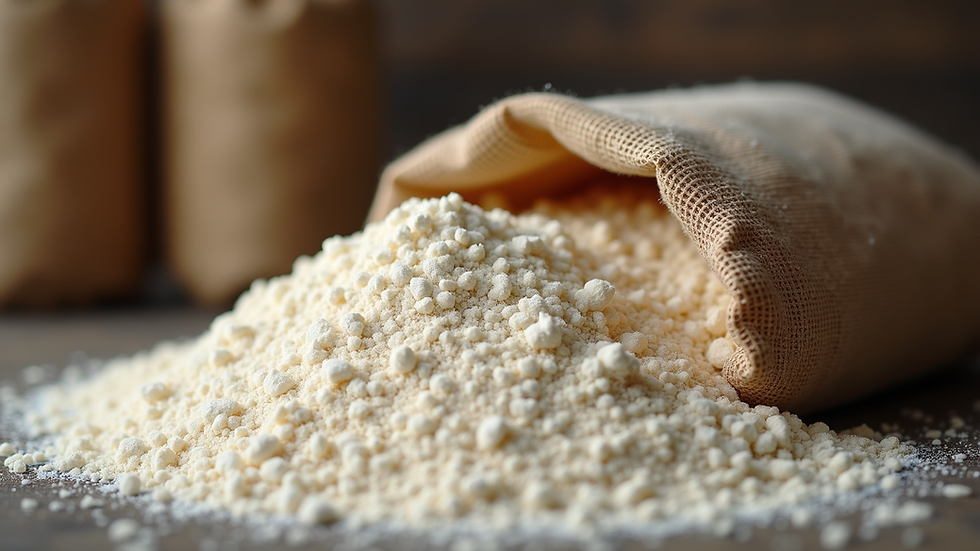
Stone ground flour is produced by grinding grains between two large stones. This method preserves the grain's natural oils, nutrients, and flavor, resulting in a product that is often richer and more complex than its commercially milled counterparts. Unlike industrial milling processes that can strip away essential nutrients, stone grinding retains the whole grain, including the bran, germ, and endosperm.
The Process of Stone Grinding
The process of stone grinding involves several steps:
Selection of Grains: High-quality grains are selected, often sourced from local farms.
Cleaning: The grains are cleaned to remove any impurities.
Grinding: The grains are fed into a stone mill, where they are ground into flour.
Sifting: The flour may be sifted to achieve the desired texture, though many prefer it unrefined for its nutritional benefits.
This method not only preserves the grain's integrity but also enhances the flavor profile, making it a favorite among bakers and chefs.
Nutritional Advantages of Stone Ground Flour
One of the most compelling reasons to choose stone ground flour is its nutritional profile. Here are some key benefits:
Higher Nutrient Retention
Stone ground flour retains more nutrients compared to commercially processed flour. This includes:
Vitamins: Stone ground flour is rich in B vitamins, which are essential for energy production and overall health.
Minerals: It contains vital minerals like iron, magnesium, and zinc, which support various bodily functions.
Fiber: The whole grain retains its fiber content, promoting digestive health and helping to regulate blood sugar levels.
Better Flavor and Texture
The flavor of stone ground flour is often described as nuttier and more robust. This is due to the preservation of the grain's natural oils and the slower grinding process, which allows for a more nuanced taste. Additionally, the texture can vary from fine to coarse, giving bakers the flexibility to choose the right flour for their specific needs.
Culinary Uses of Stone Ground Flour
Stone ground flour can be used in a variety of culinary applications. Here are some popular uses:
Baking Bread
Stone ground flour is ideal for baking bread, particularly artisanal loaves. The enhanced flavor and texture contribute to a more satisfying bread experience. Many bakers find that bread made with stone ground flour has a better rise and crust.
Making Pasta
For those who enjoy homemade pasta, stone ground flour can elevate the dish. The unique flavor and texture of the flour create a more authentic pasta experience, reminiscent of traditional Italian recipes.
Cooking Pancakes and Waffles
Using stone ground flour in pancake and waffle recipes can add a delightful nuttiness and heartiness. The added fiber also makes these breakfast staples more filling and nutritious.
Environmental Impact of Stone Ground Flour
Choosing stone ground flour can also have positive implications for the environment. Many producers of stone ground flour prioritize sustainable farming practices, which can lead to:
Reduced Carbon Footprint: Local sourcing of grains minimizes transportation emissions.
Biodiversity: Supporting local farmers often means promoting diverse crop rotations and organic farming practices.
Soil Health: Sustainable farming practices help maintain soil health, which is crucial for long-term agricultural productivity.
How to Incorporate Stone Ground Flour into Your Diet
If you’re interested in trying stone ground flour, here are some practical tips:
Start Small
Begin by substituting a portion of your regular flour with stone ground flour in recipes. This allows you to gradually adjust to the flavor and texture differences.
Explore Different Varieties
Stone ground flour comes in various types, including whole wheat, spelt, and rye. Experimenting with different grains can add variety to your meals and provide different nutritional benefits.
Visit Local Mills
If possible, visit a local mill to purchase fresh stone ground flour. This not only supports local businesses but also ensures you’re getting the freshest product available.
Conclusion
Rediscovering the benefits of traditional stone ground flour can transform your cooking and baking experience. With its superior nutritional profile, rich flavor, and positive environmental impact, stone ground flour is a choice that supports both your health and the planet. Whether you’re a seasoned baker or just starting, incorporating this wholesome ingredient into your diet is a step towards a more nutritious and flavorful culinary journey.
So why not give stone ground flour a try? Your taste buds and your body will thank you.
Comments